Overview
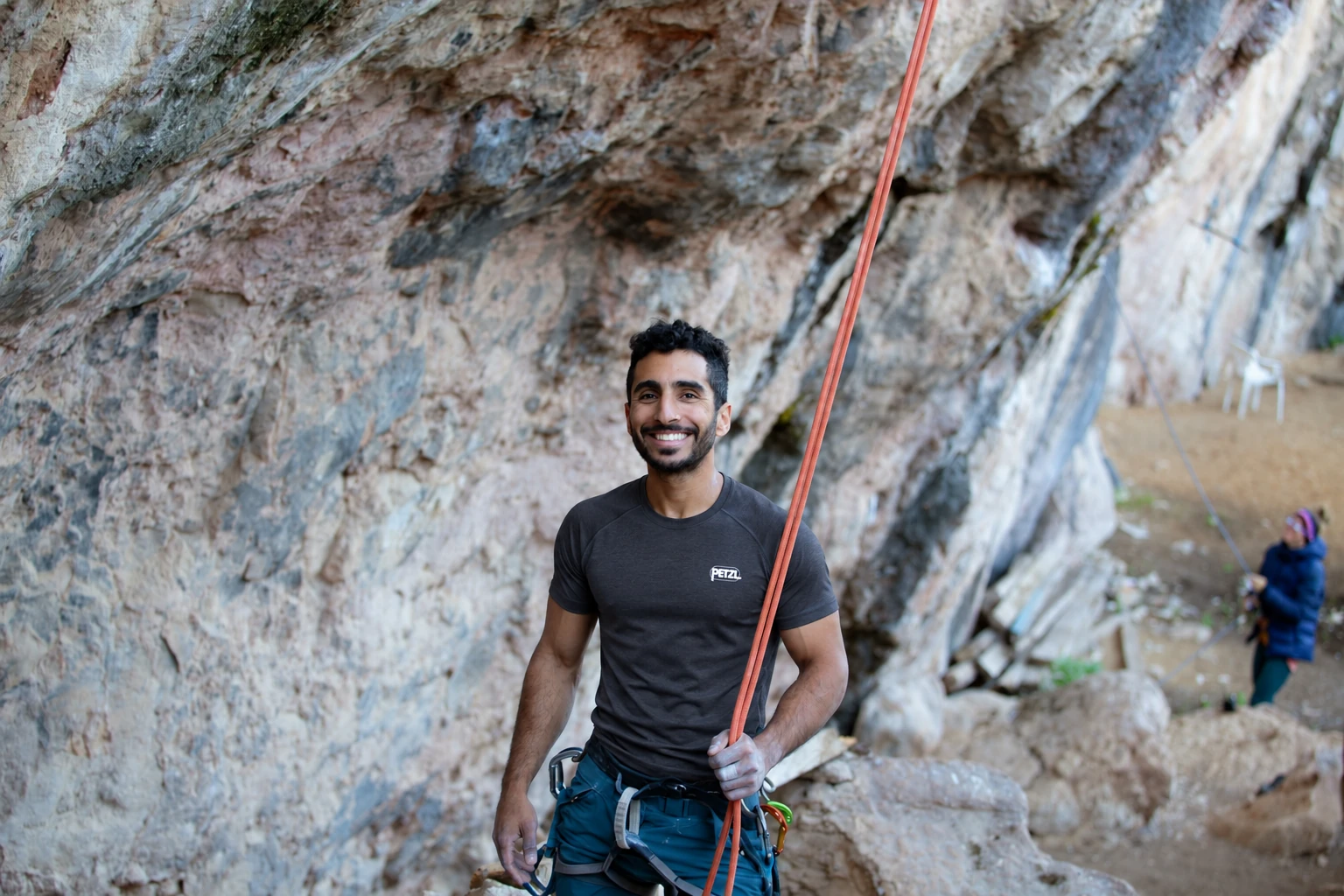
An intensive, practical course for climbers who want to progress from top-rope climbing to lead climbing in a natural environment.
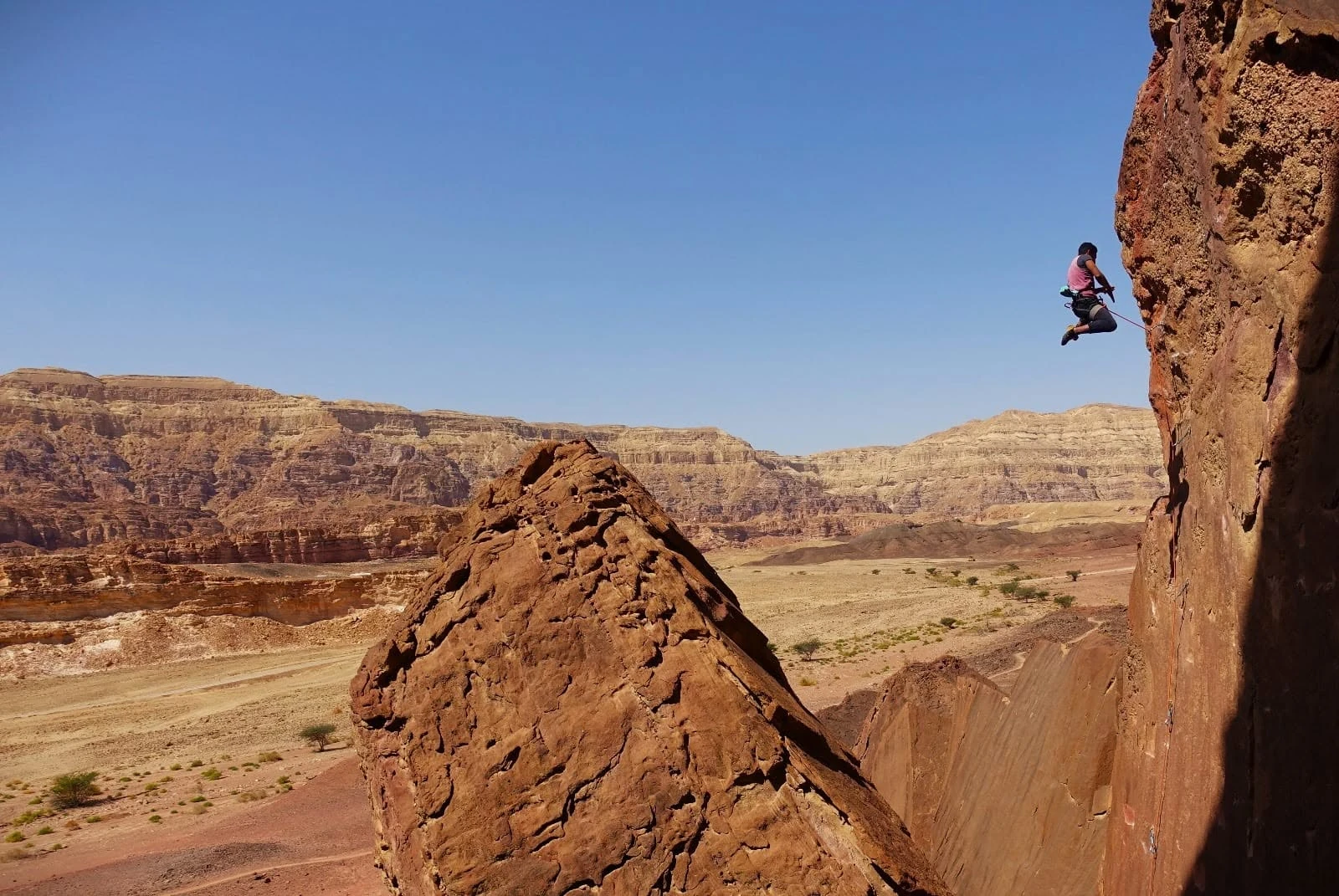
During the course we will learn and practise the skills needed for safe and responsible lead climbing, from rope management and lead belaying, through clipping and controlled falls, to cleaning an anchor, solving problems and planning an independent climbing day.
The course combines theory, demonstrations and plenty of practical crag practice, with gradual progression according to the participants’ level.
What will we learn?
- Safety principles in lead climbing
- Reading and understanding climbing routes
- Lead climber belaying
- Correct use of quickdraws
- Correct clipping and rope management while leading
- Proper communication between climber and belayer
- Dynamic belaying and catching falls
- Controlled falls
- Cleaning an anchor
- Solving common problems
- Planning and managing an independent climbing day
- Practical practice on routes of different grades
Day 1, Foundations, Safety and Lead Preparation
Introduction and Level Assessment
Meet the participants, set course goals, review previous experience, check personal equipment and assess basic skills.
The Safety Chain
Partner checks, knots, communication, rope management, correct use of belay devices and identifying risks.
Top-Rope Refresher
Practise tying in, belaying, lowering and communicating correctly until the core skills are consistent.
Lead Equipment and Clipping
Introduction to ropes, runners, carabiners and belay devices. Practise quickdraw orientation, correct clipping and rope management.
Mock Leading
Practise rope movement, clipping and route decisions while the climber is protected by a top-rope.
Day 2, Lead Belaying and First Lead
Review and Safety Checks
Review the first day’s skills, partner checks, knots, clipping and rope management.
Dynamic Belay
Giving and taking rope, belayer positioning, correct movement while belaying and principles of dynamic fall catching.
First Supervised Lead
Gradual transition from mock leading to leading suitable routes with close instructor supervision.
Route Management
Choosing clipping points, avoiding back clips and Z-clips, keeping the rope organised and handling different situations while climbing.
Lead and Belay Practice
Rotate between climber and belayer, practise continuously and receive individual feedback.
Day 3, Falls, Anchor Cleaning and Problem Solving
Fall Practice
Mental and physical preparation for falling, understanding fall distance and gradually practising controlled falls in suitable conditions.
Catching a Fall
Practise the belayer’s response to a fall, body position, dynamic belaying and communication with the climber.
Cleaning an Anchor
Secure attachment, correct work at the anchor, transferring the rope, checking the system and lowering the climber in an orderly way.
Problem Solving
Practise common situations such as incorrect clipping, a short rope, poor communication, stopping mid-route and changing plans.
Full Cycle
Lead, belay, take a controlled fall and clean an anchor in sequence, with feedback after each cycle.
Day 4, Final Practice and Independence
Planning a Climbing Day
Choose routes by participants’ ability and conditions, check weather, required equipment and crag access, and plan for emergencies.
Full Lead Cycles
Participants complete full climbing cycles: prepare equipment, perform a partner check, lead, belay and clean the anchor under instructor supervision.
Scenario Practice
Handle situations that may occur during a climbing day and make safe, responsible decisions.
Skills Assessment
Assess control of equipment, knots, belaying, clipping, rope management, falls, anchor cleaning and responses to changing situations.
Feedback and Next Steps
Individual feedback, areas for improvement, recommendations for continued practice and clear boundaries for safe progression.
Prerequisites
Experience: Previous experience climbing with top-rope belay
Physical fitness: Good physical condition
Minimum age: 16 years
What to bring: Climbing shoes (if available), comfortable sportswear, water, lunch, sunscreen, hat
CLIMBING CYPRUS · A short climber quiz
How well do you control your clipping? Test yourself.
A short quiz to check your clipping skills and lead-climbing decisions.
Start the quiz